From a small colony to a protected visitor site
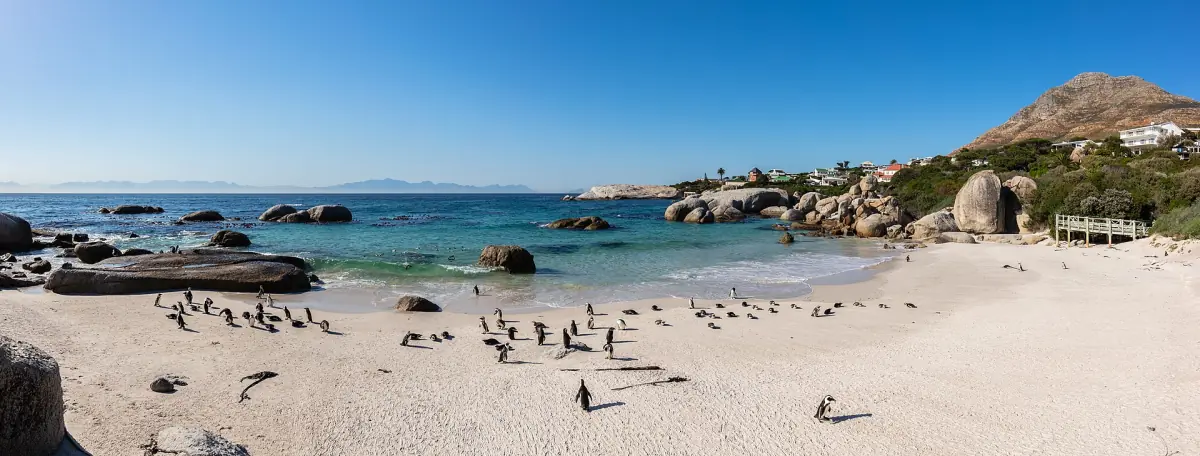
Boulders Beach history begins with penguins settling on the False Bay coast in the early 1980s. The colony developed beside Simon's Town, where visitors now see African penguins from the designated Foxy Beach boardwalks. The beach and neighbouring coastal strip were incorporated into the national park in 1998.
Today the colony is an attraction within Table Mountain National Park. The visitor route and protection of the birds belong together: the boardwalks provide viewing access while directing people away from sensitive parts of the colony. For the species and current visitor rules, see the penguin guide.
What the latest colony count measures
SANParks reported 790 breeding pairs in June 2026, compared with 698 in 2025. Its resulting estimate was 2,528 individual penguins. A breeding-pair census and an estimate of individuals are different measures; neither tells you how many birds will stand on the beach during your visit.
The annual increase is encouraging for this colony, but it does not establish a recovery of the species as a whole. SANParks describes the African penguin as critically endangered and notes continuing pressure, including food scarcity.
Read those figures as dated conservation information. They are not a live count or a sighting target to compare with the view from one platform. For the practical visit, compare entry arrangements and the seasonal planning guide.
See the living colony on an organised visit
Pair the colony’s history with an actual visit; the entry ticket is separate from the transport booking.
Hand-picked tours, booked through GetYourGuide. Prices are indicative starting prices in US dollars (as of October 2026). Tap a tour for live availability and the current price in your currency.
Visit the Boulders colony
An organised visit can handle transport while you observe the protected colony from the permitted visitor areas.
Conservation changes how you visit
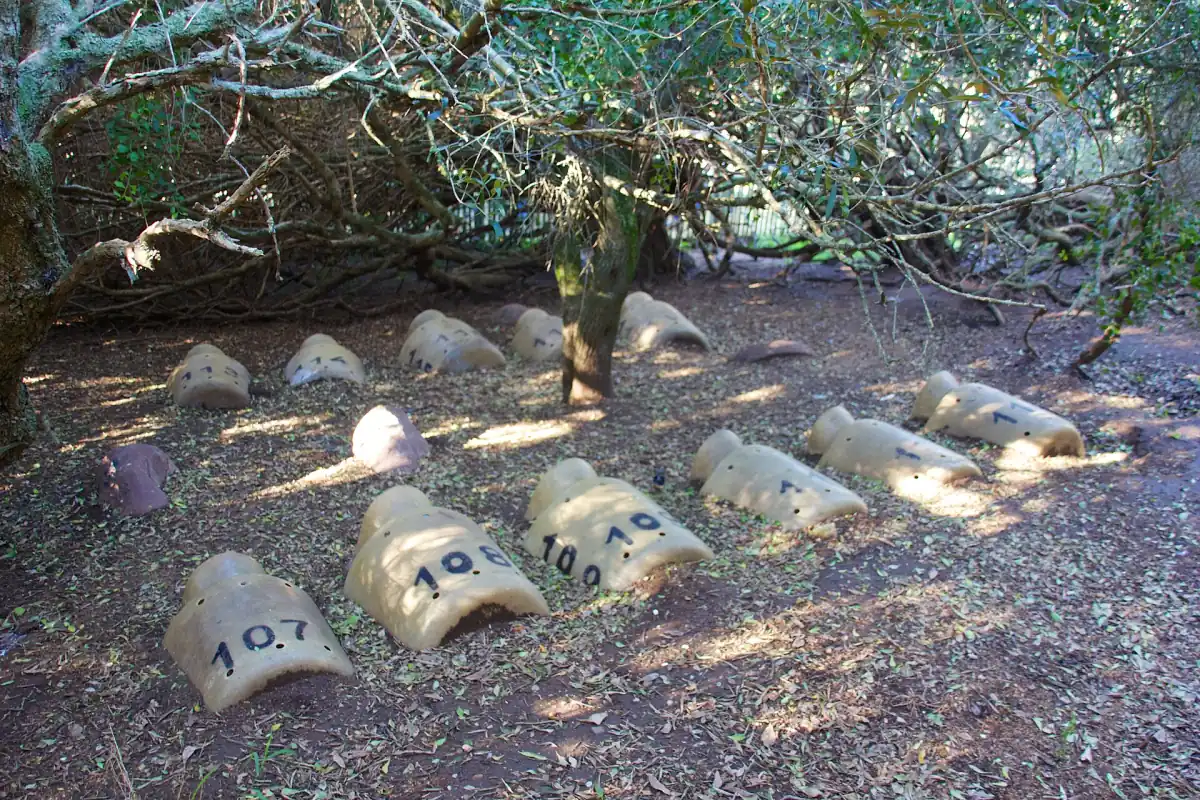
Keep to the boardwalks in the viewing area and leave nesting spaces alone. Artificial nesting shelters form part of the colony landscape, not equipment for visitors to inspect closely. Give the birds room whether they are resting, walking or moving towards the sea.
Do not feed or touch penguins. Do not reach through fences with a selfie stick, and do not pursue a bird for a photograph. Those choices let you enjoy the visit without treating protected wildlife as an arranged encounter.
The bathing beach is separate from the Foxy Beach viewing area. If you plan both, read the beach-access guide rather than assuming every part of the colony is open to swimming.
The colony is part of a living coast
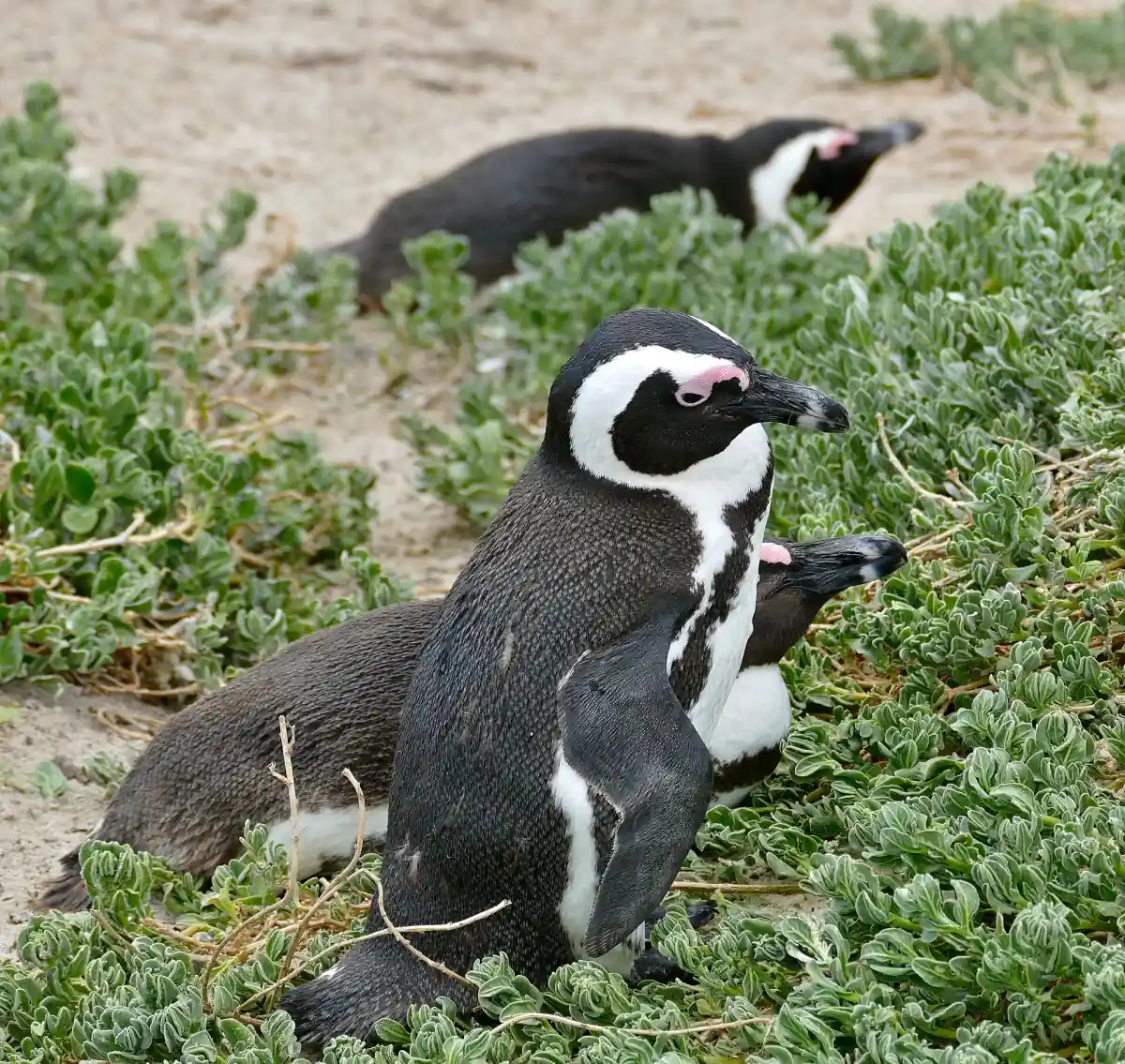
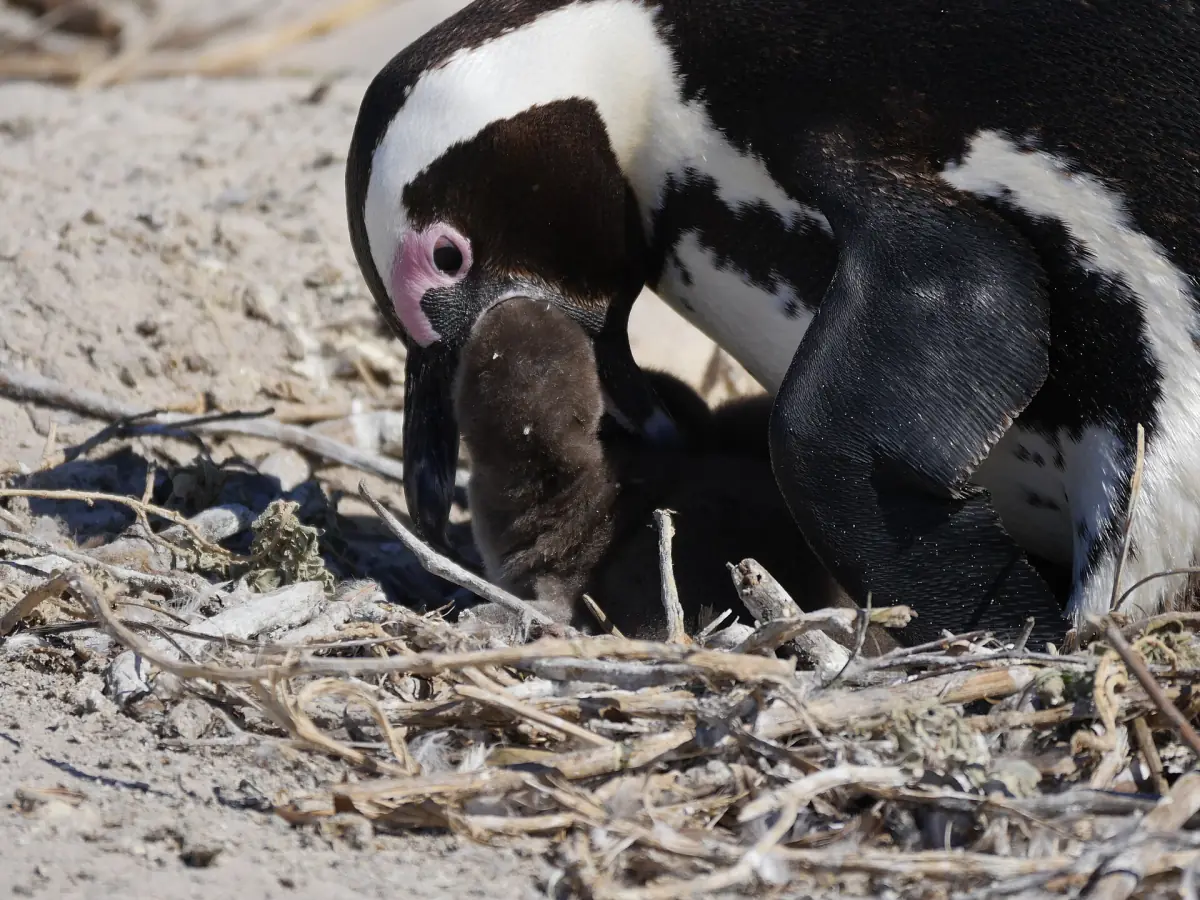
The birds at Boulders are African penguins, scientifically Spheniscus demersus. Their lives include breeding, feeding at sea and an annual moult. During moulting they spend time ashore while their plumage is renewed. These natural routines explain why a protected colony is more than the group of birds visible beside a boardwalk on one afternoon.
A visitor can observe without turning those routines into a timetable. Do not interpret a bird resting near vegetation as an invitation to approach a nest, or an animal entering the sea as an arranged swimming encounter. The raised visitor paths make it possible to look while allowing separation between people and the colony.
The surrounding town is also part of the visit's setting. Simon's Town provides the approach to the colony, while the protected site has its own entrance and beach rules. Keep the history of the town, the arrival of the colony and the later national-park inclusion as distinct parts of the story.
Boulders history questions
When did the penguin colony begin?
The colony's beginnings date to the early 1980s. The beach and neighbouring coastal strip were incorporated into the national park in 1998.
How many penguins were counted in 2026?
SANParks reported 790 breeding pairs in June 2026 and an estimated 2,528 individuals. These are different measures, not a count of birds visible on one visit.
Does the local increase mean the species is safe?
No. The African penguin remains critically endangered. An increase at one colony does not establish a species-wide recovery.